Why a Professional Roof Inspection Service Saves You Money and Stress
Your roof is your home's first line of defense against the elements. It takes the brunt of sun, rain, wind, and hail, day in and day out. Over time, even the best-installed roofing system develops small issues that, if left unchecked, can turn into major problems. That is where a thorough roof inspection service comes in. It is not just about spotting a missing shingle or a small stain on the ceiling. A proper inspection digs deeper, looking at the entire roofing assembly, from the deck to the underlayment to the flashings, and gives you a clear picture of what is actually going on up there.
What a Roof Inspection Actually Covers
A lot of homeowners think a roof inspection is just a quick walk around the house, maybe a glance at the gutters. In reality, a true professional roof inspection service covers a lot more ground. The inspector will check for signs of wind uplift around the edges and corners of the roof, where the membrane or shingles are most vulnerable. They will look at the condition of the flashing around chimneys, vents, and skylights, because those are common leak points. They will also examine the valley areas where two roof planes meet, as debris and water tend to collect there.
Beyond the visual check, many inspectors use tools like infrared thermography to detect hidden moisture trapped inside the roofing layers. This technology can reveal a roof leak that is not yet visible from the inside or the outside. It is a non-invasive way to find problem areas before they cause rot or mold. Some companies also offer drone inspection for hard-to-reach areas, especially on steep or two-story homes. Drones give a bird's-eye view without the risk of someone walking on a fragile surface. Both methods have their place, and a good inspector will use the right tool for your specific roof type.
Why You Should Not Skip the Inspection
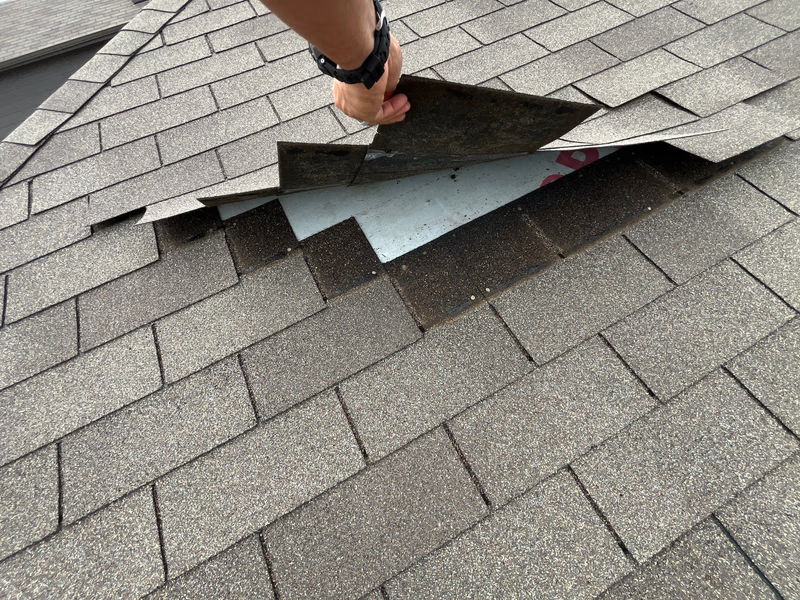
I have seen too many cases where a small, easily repairable issue turned into a full roof replacement. A few loose shingles after a storm, a cracked boot around a vent pipe, or a bit of lifted flashing near a wall. None of these look like emergencies. But water is persistent. It finds the tiniest opening and works its way in. Over months, that slow leak soaks the insulation, rots the decking, and can even damage the interior ceilings and walls. By the time you notice a water stain, the damage is already done. The cost of a single roof inspection service is a fraction of what you would pay for that kind of repair.

There is also the matter of roof warranty coverage. Most manufacturer warranties, like those from GAF, Owens Corning, or CertainTeed, require regular inspections to stay valid. If you file a claim and cannot show that you have had the roof inspected periodically, the warranty could be voided. That is a risk not worth taking. The same goes for workmanship warranties from the contractor who installed the roof. A quick annual check keeps everything in good standing.
When to Schedule an Inspection
How often should you get a roof inspection? For most homes, twice a year is a good rhythm. Once in the spring, after winter's freeze-thaw cycles, and once in the fall, before the heavy rains and winds of winter set in. If you live in an area that gets hail or high winds, add an inspection after any major storm. Also, if you are planning to sell your home, a pre-sale inspection gives you a chance to fix any issues before they come up in the buyer's home inspection.
If you have an older roof, especially one that is approaching the end of its expected lifespan, more frequent checks make sense. Materials like asphalt shingles and built-up roofing get brittle with age. The risk of a roof leak goes up as the roof ages. On the other hand, a relatively new roof with a solid installation might only need a light annual look. The key is to be proactive, not reactive.
Choosing the Right Inspector
Not all roof inspectors are created equal. You want someone who understands the specific roofing materials on your home. A tile roof, for example, has different failure points than a metal standing seam roof. The Tile Roofing Institute publishes guidelines for inspecting clay and concrete tile roofs, and a good inspector will be familiar with those. Similarly, the National Roofing Contractors Association and the IRI (International Roofing Institute) offer training and best practices for professional inspectors. Look for someone who is up to date on the latest methods, including infrared thermography and drone inspection if those are relevant to your roof.
It also helps to check their reputation. Sites like HomeAdvisor and Angi can give you a sense of customer satisfaction, but do not rely solely on star ratings. Look at the details of the reviews. Did the inspector take time to explain what they found? Did they provide a clear roof repair estimate? Did they show up on time? A good Google Business Profile will have recent photos and detailed feedback. Also check with the Better Business Bureau for any unresolved complaints. A little homework upfront saves you from hiring someone who might miss the real problems.
What Happens After the Inspection
Once the inspection is done, you should get a written report that lists all the issues found, from minor to major. The report should include photos and, if applicable, thermal images showing moisture areas. It should also give you a sense of priorities: what needs fixing right now, what can wait a few months, and what is just normal wear. A reputable company will also give you a roof repair estimate for any work recommended. Be wary of any inspector who pressures you into immediate repairs without letting you get a second opinion. A good inspection is about informing your decision, not forcing one.
Some inspectors work for roofing contractors, and some are independent. Both have their pros and cons. A contractor-connected inspector knows the materials and installation methods well, but there is a potential conflict of interest if they recommend costly repairs. An independent inspector has no incentive to upsell, but might not have the same depth of knowledge about certain systems. Either way, ask about their experience with your specific roof type and whether they carry liability insurance. OSHA regulations also apply to anyone working on a roof, so make sure the inspector follows proper safety protocols.
Insurance and Utility Considerations
If you file a claim for roof damage, your insurance company will likely send their own adjuster. But having your own inspection report from a trusted roof inspection service can help your case. The Texas Department of Insurance recommends that homeowners document the condition of their property before and after a loss. A professional inspection report serves as that documentation. It shows the pre-existing condition and can help you argue for a fair settlement.
In some areas, utility companies like Austin Energy offer rebates or incentives for certain energy-efficient roofing upgrades. While the inspection itself is not part of that program, the findings can point you toward improvements that qualify. If your inspection reveals poor attic insulation or ventilation, for example, you might be able to combine a roof repair with an energy upgrade and save money in the long run. The City of Austin also has building codes that affect roofing materials and installation methods, especially for historic homes or properties in flood zones. A good local inspector will know those requirements and flag any issues.

Final Thoughts
A professional roof inspection service is one of the smartest investments a homeowner can make. It catches small problems before they become big ones, protects your warranty, and gives you peace of mind. Whether you choose a contractor-affiliated inspector or an independent one, make sure they have the right tools and knowledge. Look for certifications from groups like the National Roofing Contractors Association or the Tile Roofing Institute. Check their reviews on HomeAdvisor, Angi, and the Better Business Bureau. And do not skip the annual check just because your roof looks fine from the ground. A lot can hide up there, and a trained eye sees what you might miss.
Your roof works hard every day. Give it the attention it deserves. A simple inspection now can save you from a major headache later.